Where the 67 Hand Gesture Came From, and Why Simon Uses It
The story behind the six seven hand gesture meme and how Six Seven Simon turned it into a full memory game.
· 3 min read · by the 67 team

Six seven! Don't just read it: Play 67 Join the chat
Before it was a game, "six seven" was just a hand gesture, one palm rising while the other drops, like you are weighing two invisible things against each other on an invisible scale. If you have spent any time online in the last couple of years you have almost certainly seen it, kids doing it in hallways, clips of it stitched into videos, the phrase shouted alongside the motion. Six Seven Simon exists because that gesture is genuinely fun to do with your hands, and a game built entirely around repeating hand gestures felt like the obvious place to put it to work.
The gesture, broken down
The core motion is simple enough that anyone can do it in seconds: one hand goes up, the other goes down, back and forth, while you say "six, seven" out loud. It reads as a kind of shrug crossed with a scale, uncertain and playful at once. That ambiguity is part of what made it spread. It does not mean anything specific, and that is exactly why so many different people could attach their own meaning to it.
From gesture to game mechanic
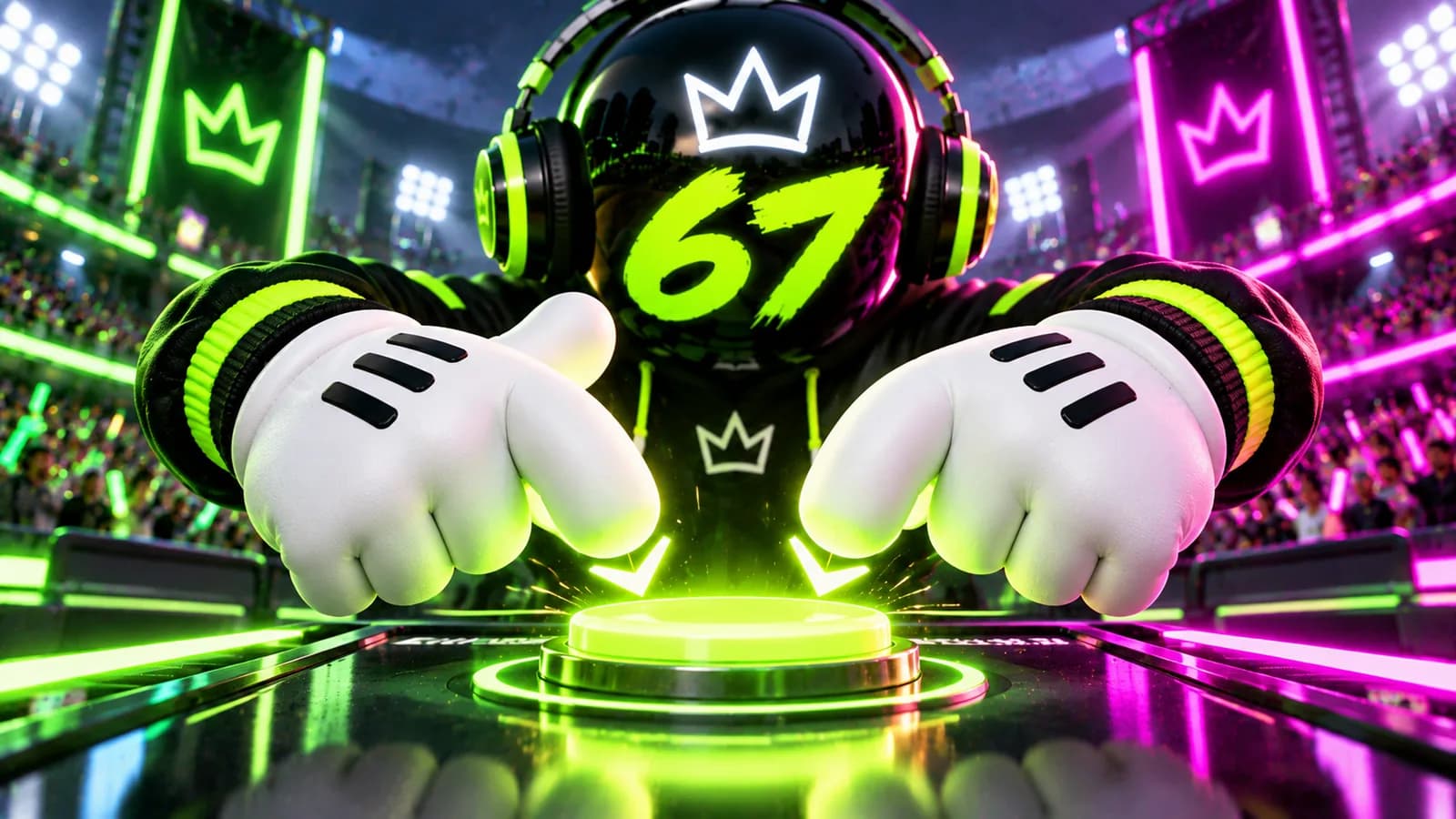
Six Seven Simon takes that same physical vocabulary and turns it into the four building blocks of an actual memory game. Six becomes the left hand raised. Seven becomes the right hand raised. The full "six seven" gesture, both palms up together, becomes its own third pad. And clap, both hands closed, rounds out the set as a fourth move that was not originally part of the meme but fits its rhythm perfectly.
What used to be a loose, freeform hand motion between friends becomes something with actual rules once it is loaded into a memory game: watch a sequence of these four gestures, then repeat it back exactly, with one more move added every round you clear.
Why a memory game specifically
Hand gestures and memory games have a long history together, long before "six seven" existed. The classic format, watch a growing sequence of signals, repeat it back, has been built into countless games and toys because it works: it is instantly understandable, endlessly replayable, and gets harder in a completely natural way just by adding one more step. Wrapping that proven format around a gesture people already know and enjoy doing with their hands was a pretty direct move. You are not learning new rules, you are watching something familiar and doing it back, just with the pressure of a growing sequence and a shrinking timer between flashes.
Keeping the meme, adding the challenge
Part of what makes the game satisfying is that the four gestures are not arbitrary shapes invented for the occasion. They are the actual motions people already associate with "six seven." Playing the game means physically tapping out the same gestures the meme is built on, just now arranged into sequences that test how well you can hold a pattern in your head under mounting pressure.
That connection matters more than it might seem. A memory game built around random shapes or colors works fine mechanically, but a memory game built around a gesture you already recognize and enjoy doing carries an extra layer of familiarity from the very first round. You are not learning the vocabulary from scratch, you already speak it.
The gesture lives on in the leaderboard too
Every time someone shares a personal best from Six Seven Simon, they are sharing a round count built entirely out of that same hand motion, just repeated in longer and longer chains. The meme that started as something people did for a laugh between friends becomes, inside the game, a real measurable skill with a number attached to it.
Curious how the gesture actually plays as a full game? Play Six Seven Simon and put the motion to the test yourself. If you want the full rundown of rules before you start, read our guide on how to play, or head to the chat and tell us where you first saw the gesture.